environment
Microsoft promised a carbon negative future. Then it built a data center in a desert that gulps 1.2 million gallons of water daily.
Microsoft and Google's 2030 net-zero goals are colliding with the physical reality of AI. Explore the soaring carbon and water costs of the 'AI Leap.'
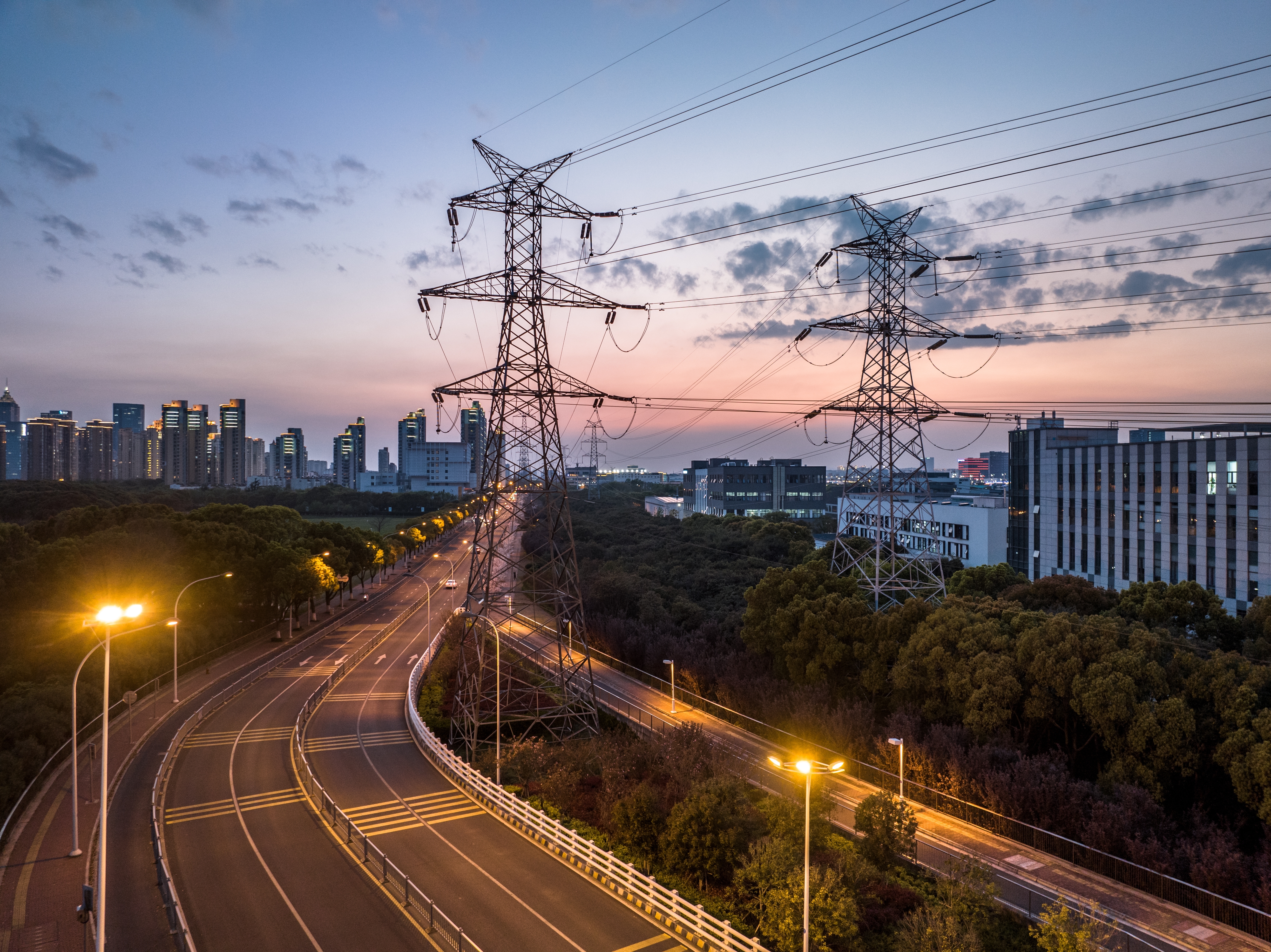
In January 2020, Microsoft made a declaration heralded as the gold standard for corporate climate responsibility. The company didn't just promise to be carbon neutral; it promised to be carbon negative by 2030. It further committed to remove all historical carbon emitted since its 1975 founding by the year 2050. This mathematical moonshot relied on a steady march of hardware efficiency and a burgeoning market for carbon removal.
However, the 2024 sustainability reports from both Microsoft and Google have served as a jarring reality check. As the tech industry pivots toward Generative AI, the physical requirements of compute—specifically electricity and water—are growing at a rate that far outstrips green energy availability. The energy-intensive nature of Large Language Model (LLM) training and the embodied carbon of hyperscale construction have created an environmental debt that current efficiency gains cannot liquidate. This decoupling of compute growth from efficiency improvements makes Big Tech’s 2030 net-zero targets physically incompatible with their current AI product roadmaps.
Extractive Clouds in Uruguay and Arizona
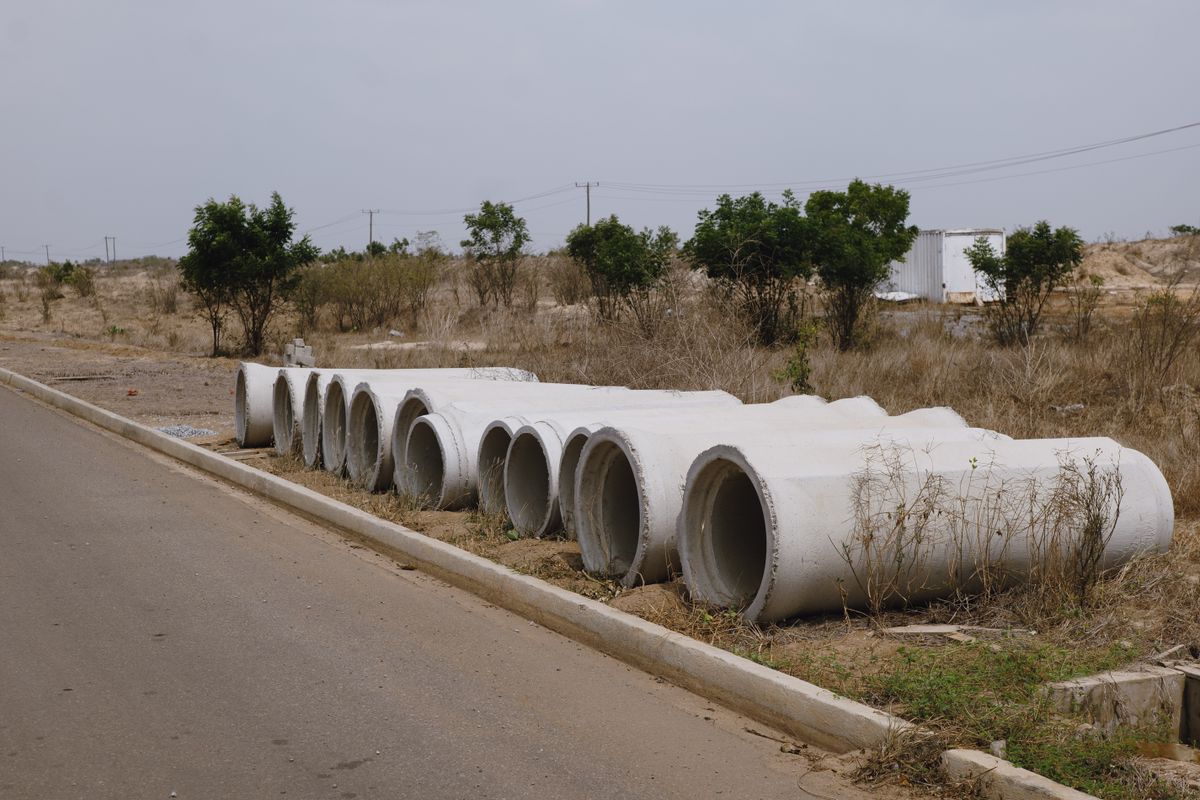
The friction between AI infrastructure and environmental scarcity is no longer a theoretical debate for policy wonks. In Canelones, Uruguay, a proposed Google data center coincided with a historic, 74-year drought that left the local population facing severe water restrictions. The facility’s initial cooling requirement—estimated at 1.9 million gallons of water per day—sparked public outcry according to The Guardian. For the residents, the cloud felt less like a digital utility and more like an extractive industry competing for a life-sustaining resource.
The backlash was significant enough that Google was eventually forced into an air-cooled redesign for the project. This move highlights a shifting landscape where local physical constraints are finally overriding global digital expansion plans. Corporate social responsibility press releases struggle to mask the physical toll taken on local watersheds. Local communities increasingly view data centers as competitors for survival rather than engines of economic growth.
A similar drama has played out in Mesa, Arizona, where water is effectively a currency of survival. In this water-stressed basin, a single Microsoft data center was reported to require up to 1.25 million gallons of water daily Bloomberg. To put this into perspective, we must define WUE (Water Usage Effectiveness): the annual water usage in liters divided by the energy consumption of IT equipment. In a desert environment, a high WUE is more than a metric; it is a political liability.
City records in Mesa reflect a growing unease about the long-term viability of the local water table. These "hyperscale" neighbors have near-infinite appetites for cooling that local infrastructure was never designed to satisfy. Water secrecy has also become a standard industry tactic to avoid public scrutiny. Google engaged in a 2022 lawsuit in The Dalles, Oregon, to keep its specific water usage data hidden from the public OregonLive.
Local communities are increasingly viewing data centers as 'extractive' industries, as the physical toll on local resources becomes impossible to mask with CSR press releases.
This pattern of litigation suggests the environmental cost of AI is a receipt the industry is not yet ready to show. In West Des Moines, Iowa, Microsoft data centers used roughly 6% of the city's total water in the month OpenAI finished training GPT-4 AP News. The scale of consumption is no longer a rounding error in local environmental accounting.
The Deceptive Math of PUE and Scope 3
To understand why the sustainability math is failing, we must look past the slick UI of a chatbot. Quantifying the footprint of an AI interaction requires looking at two distinct phases: training and inference. Training a model like GPT-3 is a one-time energy spike estimated to consume 1,287 MWh of electricity Nature 2024. This is equivalent to the annual electricity consumption of over 100 average U.S. households.
The industry often focuses on PUE (Power Usage Effectiveness) to argue for its efficiency. This is the ratio of total energy used by a data center to the energy delivered to computing equipment. Google touts average PUEs as low as 1.10 in its Google 2024 Environmental Report. But PUE is a deceptive metric that ignores the total volume of power required.
PUE says nothing about the carbon intensity of the power being consumed or the embodied carbon of the facility itself. Embodied Carbon refers to the emissions associated with manufacturing and transporting materials like concrete and steel. These fall under Scope 3 Emissions, which represent indirect emissions from a company's entire value chain. Microsoft's carbon emissions have increased by 29.1% since 2020, reaching 15.4 million metric tons of CO2e in 2023 The Verge.
| Metric | Microsoft (2020-2023) | Google (2019-2023) |
|---|---|---|
| Total Emission Increase | 29.1% | 48% |
| Primary Driver | Scope 3 / Construction | Data Center Electricity |
| 2030 Goal | Carbon Negative | Net Zero |
| Current Trajectory | Decoupled | Decoupled |
The primary driver for Microsoft is the construction of more data centers to house AI hardware. While training is a spike, inference for billions of users is a permanent, growing load. Every user query participates in a system that is driving a 48% jump in Google’s total greenhouse gas emissions Google 2024 Environmental Report. The physical infrastructure is expanding faster than the efficiency gains can mitigate.
Jevons Paradox and the Ghost of Dennard Scaling
To understand why this is happening now, we must look at the "Efficiency Era" of 2010-2020. During this decade, the tech industry tripled its compute output while keeping energy consumption relatively flat. This was achieved through virtualization and the consolidation of "zombie" servers into hyperscale facilities. But in 2023, the pivot to AI fundamentally changed the underlying physics.
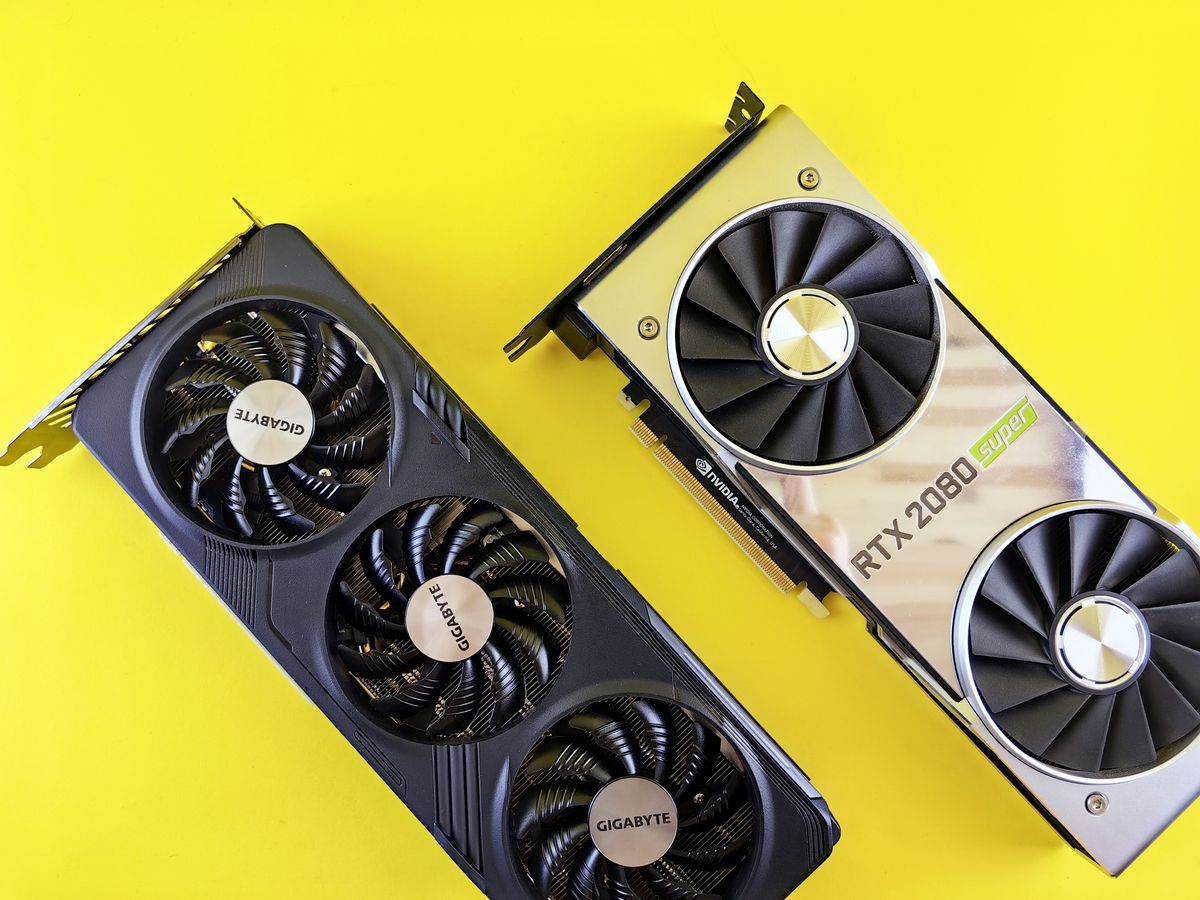
AI doesn't run on standard CPUs; it runs on power-hungry GPUs like the NVIDIA Blackwell series. These chips are designed for AI intensity, requiring significantly more power per square foot of rack space. The NVIDIA Blackwell B200 GPU has a TDP (Thermal Design Power) of up to 1,200 watts NVIDIA. This is a massive increase over previous generations of server hardware.
The efficiency gains of the last decade have largely plateaued in cooling systems. We are witnessing the Jevons Paradox, where increased efficiency leads to even greater total consumption New Yorker. When compute becomes more efficient, companies simply find more ways to use it, driving up absolute demand. The AI Leap is the first time in ten years that compute growth has fundamentally decoupled from efficiency.
Dennard Scaling, the principle that power density stays constant as transistors shrink, has effectively ended. We are no longer doing more with less; we are doing much more with much more. Data center load growth is forcing utilities to delay the retirement of coal and gas plants Washington Post. This creates a direct conflict between the digital expansion and the decarbonization of the energy grid.
The Optimization Defense and its Physical Wall
Defenders of the AI expansion argue that AI is a critical tool for sustainability. Google DeepMind argues that AI can reduce data center cooling energy by 40% through real-time optimization DeepMind. The argument is that AI "consumes" energy to pay off a debt by optimizing global energy grids. They suggest AI will facilitate the integration of more renewable sources through better forecasting.
However, the evidence suggests that these incremental gains are being dwarfed by absolute growth. Google's 48% emission jump occurred despite already utilizing DeepMind's cooling optimizations. Software efficiency cannot outrun physical infrastructure growth when demand is exponential. The IEA Electricity 2024 Report highlights that data centers accounted for 21% of Ireland’s total electricity consumption in 2023 IEA.
This optimization defense often borders on a logical fallacy: using environmental damage today to justify a hypothetical solution tomorrow. The energy used to build the hardware is real and immediate; the optimization gains are theoretical and future-dated. As Microsoft Vice Chair Brad Smith noted, the moonshot has become more difficult Microsoft 2024. Aiming for a target while building 1.2-million-gallon-a-day gulpers is a difficult narrative to sustain.
Furthermore, the scale of carbon removal needed to offset this growth is currently non-existent. Direct Air Capture (DAC) technology is still in its infancy and remains prohibitively expensive at scale MIT Technology Review. Relying on future breakthroughs to liquidate current carbon debt is a high-stakes gamble with the atmosphere.
Nuclear Dreams and the Renewable Accounting Shell Game
Microsoft and Google are now the world's largest purchasers of renewable energy. Microsoft alone purchased 19.8 GW of renewable energy in 2023 Microsoft 2024 Sustainability Report. While this drives clean energy expansion, it also creates a massive baseload problem. Data centers operate 24/7, but solar and wind are intermittent energy sources.
To claim they are "100% renewable," tech companies often rely on Renewable Energy Credits (RECs). This accounting mechanism allows them to buy green energy produced elsewhere to offset fossil fuels burned locally. This trick is beginning to fail under the weight of AI demand and grid constraints. Consequently, the industry is turning toward nuclear power to provide constant, carbon-free baseload.
Microsoft is exploring Small Modular Reactors (SMRs) and the restart of retired reactors like Three Mile Island Wall Street Journal. While nuclear is a plausibly viable path, it is a slow one. SMRs are not yet commercially deployed at scale, and the 2030 deadline is less than four years away. The physical lead time for nuclear infrastructure does not align with the immediate needs of AI expansion.
The "baseload problem" means that even the world's largest renewable energy buyers are still reliant on local grids that often burn coal or gas during peak demand.
This reliance on local grids means that AI expansion is actively increasing the carbon intensity of electricity in certain regions. In Virginia's "Data Center Alley," the demand is so high that utilities are building new natural gas lines Washington Post. The renewable accounting shell game can no longer hide the physical reality of the smoke stacks.
The Physics of the Desert Doesn't Take Credits
The broader implication is that we are witnessing the physical limits of the digital economy. The promise that AI will solve climate change is increasingly used as a shield for immediate environmental damage. When Google’s data center electricity consumption rises by 17% in a single year, the narrative starts to look like a greenwashing gap Google 2024 Environmental Report.
We have entered an era of Carbon Debt. Unlike financial debt, carbon debt cannot be printed away. The embodied carbon in the concrete of a new Arizona data center is a permanent atmospheric addition PNAS. If the AI housed within fails to deliver a proportional reduction in global emissions, the infrastructure is a net loss for the planet.
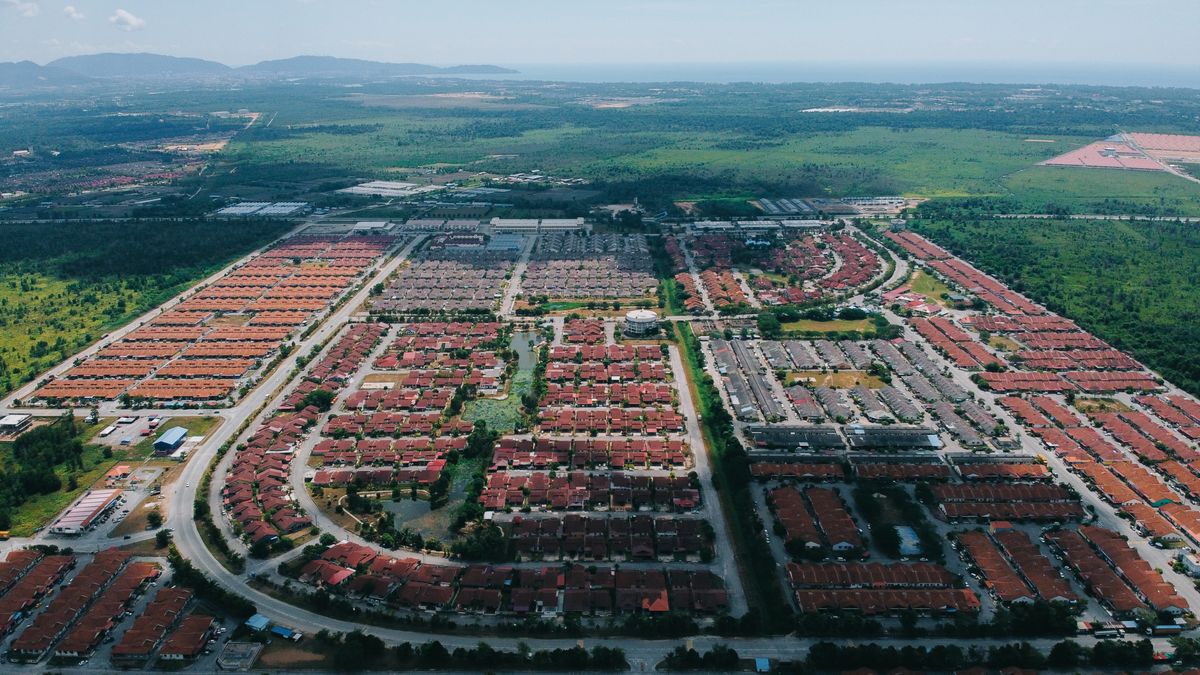
The water usage effectiveness of these facilities is also coming under scrutiny. Data centers are often located in water-stressed regions because of tax incentives rather than ecological logic. Cooling systems that evaporate millions of gallons of water daily are an artifact of a design philosophy that treats water as a free and infinite resource. The physics of the desert, however, are unforgiving.
Training Llama 3 required a massive cluster of 24,000 H100 GPUs, highlighting the physical scale of modern AI Meta. This isn't just code; it is thousands of tons of silicon, copper, and cooling infrastructure. The carbon intensity of the U.S. grid remains heavily reliant on fossil fuels EIA. Every megawatt added to the grid for AI has a measurable carbon cost that RECs cannot erase.
The 2030 Deadline and the Reality of Physics
The evidence from 2020-2024 suggests the AI revolution is fundamentally at odds with current corporate climate architecture. The energy-intensive nature of LLM training and the massive embodied carbon of construction have created an environmental debt that efficiency gains cannot liquidate. The numbers from Microsoft and Google’s own reports confirm this decoupling.
Unless Big Tech achieves a breakthrough in fusion or geothermal energy, the 2030 net-zero goals are effectively dead. The AI Leap hasn't just increased the cost of doing business; it has increased the cost of existing. For a skeptical tech publication, the most documented hallucination in the industry right now isn't coming from a chatbot. It's coming from the sustainability departments of the companies that build them.
The physics of the desert and the chemistry of the atmosphere do not accept Renewable Energy Credits. They only accept reality. The industry is currently building a future that its own climate targets say we cannot afford to inhabit. The receipt for the AI Leap is coming due, and it is being written in gallons and gigawatts.