oscars
'The Brutalist' used AI to fix Hungarian vowels. The internet accused it of faking its cinematography.
The internet erupted over AI in Oscar-nominee 'The Brutalist.' But the backlash reveals a deep public misunderstanding of how indie movies are actually made.
In January 2025, The Brutalist—an independent film celebrated for its tactile, 70mm analog format—found itself at the center of a digital controversy right before the Oscars. The internet erupted after editor Dávid Jancsó confidently discussed using an AI tool to refine the Hungarian accents of lead actors Adrien Brody and Felicity Jones, according to reports from NBC News. The resulting backlash was swift, disproportionate, and largely misdirected. It threatened a 10-time Oscar-nominated film over a standard post-production adjustment. This reaction exposed a significant gap between how audiences imagine movies are made and the technical realities of modern filmmaking.
The public backlash against the limited use of Respeecher in The Brutalist demonstrates a fundamental misunderstanding of modern post-production pipelines, where audiences increasingly conflate standard AI-assisted audio correction with generative AI content replacement. Instead of replacing human performances, the production plausibly used precision tools to complete an 18-month post-production process on a sub-$10 million budget. They utilized technology in a way that aligns with the historical evolution of film audio rather than the automated generation of art. The discourse quickly spiraled out of control, revealing how primed the public is to assume the worst whenever the acronym "AI" appears in relation to cinema.
The Incident: A PR Crisis in Post-Production

The controversy began when editor Dávid Jancsó casually revealed the use of AI in a January 2025 interview with RedShark News, an exchange documented by NBC News. Jancsó was discussing the complex task of editing a multilingual film when he mentioned the audio work. "Most of their Hungarian dialogue has a part of me talking in there," Jancsó stated, emphasizing that they "were very careful about keeping their performances." He described a technical hurdle being cleared through innovative software, framing it as a testament to the post-production team's problem-solving skills.
Rather than viewing this as a standard technical hurdle being cleared, social media users weaponized the quote. They launched a viral campaign criticizing the film, claiming the digital intervention contradicted the movie's marketing. This marketing heavily emphasized its "handcrafted painstaking art," as noted by Vanity Fair. The narrative rapidly shifted from an appreciation of an independent filmmaking triumph to accusations of artistic fraud. Commentators who had praised the film's analog authenticity just days prior suddenly declared it tainted.
The speed at which the narrative collapsed illustrates the fragile ecosystem of awards season campaigning. A single interview quote, stripped of its technical context, was sufficient to ignite a week-long media firestorm. The controversy required immediate crisis management from the film's public relations team and its director.
The timing could not have been worse. Dropping just as Academy Award voting was underway, the outrage threatened to derail the momentum of one of the year's most celebrated indie films.
Technical Breakdown: Voice Conversion vs. Generative Systems
To understand the panic, we have to define what actually happened on the timeline. The Brutalist used Voice Conversion Technology, defined here as a form of high-precision AI audio editing that uses a target speaker's performance as a foundation. It subtly swaps out specific vowel or consonant sounds using a native speaker's pronunciation as a guide. This is a distinctly different process from text-to-speech generation, which creates audio from scratch without an underlying human performance.
This audio processing was handled by Respeecher, a Ukrainian software company specializing in AI voice-generating technology. The tool only adjusted specific Hungarian vowels and consonants; it did not generate emotion or alter English dialogue. The receipts for this are in the company's official documentation. Respeecher's software maps the acoustic properties of one voice onto another while retaining the pacing, pitch variations, and emotional intent of the original recording.
"The AI in The Brutalist was a high-precision audio technology used to polish a few tricky Hungarian vowels in Brody's existing performance. No more, no less," Respeecher stated on its blog. "His emotional delivery, the actual soul of the work he did on set, was never touched." This distinction is critical because it separates corrective tools from generative ones. The system cannot act without the input data provided by Brody's on-set acting.
Typically, major audio issues are solved via Automated Dialogue Replacement, a post-production process used to re-record dialogue in a studio setting. This is often utilized when on-set audio is unusable due to background noise or when actors need to dub over harder elements of their speech. It requires bringing actors back into a sound booth months after filming has wrapped. The actors must attempt to recreate the exact emotional cadence of a scene while staring at a monitor.
But an independent film operating on a budget of under $10 million faces severe logistical limitations. Booking Brody and Jones for extensive traditional replacement sessions for a complex dialect would have bloated an already taxing 18-month post-production schedule. It would also require finding scheduling windows where the actors were available and maintaining the precise acoustic properties of the original location recordings. Voice Conversion Technology provided a surgically precise, budget-friendly alternative that preserved the on-set energy.
The Counter-Argument: Marketing and The Handcrafted Illusion
Defenders of the backlash argue that the outrage was justified because The Brutalist was aggressively marketed on its tactile, 70mm, "handcrafted" aesthetic. From this perspective, the use of any machine learning—even for audio correction—is fundamentally deceptive to audiences expecting a purely analog artistic achievement. Critics posit that if a film's promotional campaign emphasizes physical film stock and practical artistry, the introduction of algorithmic audio processing breaks an implicit contract with the viewer. This perspective heavily fueled the outrage, as documented by Vanity Fair.
Furthermore, skeptics argue that altering an actor's voice crosses a philosophical line regarding performance authenticity. They suggest that an actor's struggle with a difficult accent is part of the human element of filmmaking, and digitally smoothing over those imperfections creates a synthetic performance. By blending Jancsó's native pronunciation with Brody's delivery, critics claim the final product is a composite rather than a pure representation of the actor's work. They argue this sets a precedent where performances are finalized by software rather than human capability.
This expectation of analog purity, however, ignores the reality of modern film production. The demand for a strictly analog pipeline is an artificial purity test that practically no modern feature film can pass. Even films shot on 70mm film undergo digital scanning, digital color grading, and digital audio mixing to achieve a polished final product. The software was used exclusively as a precision instrument to correct specific Hungarian vowels, according to Respeecher's technical breakdown. Holding independent films to an impossible standard of technological abstinence merely penalizes them for being transparent about their workflows.
Historical Context: The Invisible Tools of Cinema
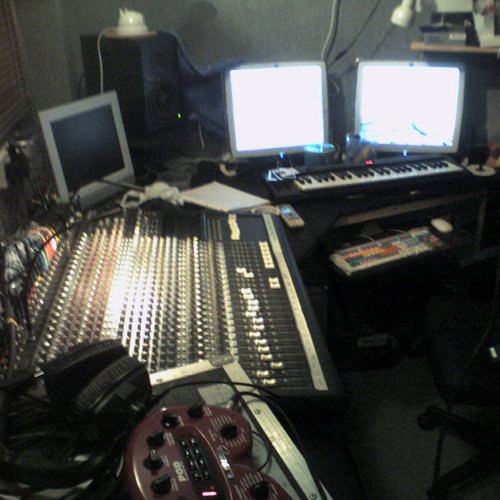
Audio sweetening and dialogue replacement are historically standard practices in Hollywood. The history of cinema is filled with technological interventions designed to fix on-set limitations. From Marni Nixon secretly dubbing the singing voices for major Hollywood stars in the 1960s to the widespread adoption of digital pitch correction in modern musicals, the final audio mix has rarely been a pristine document of reality. Yet, the current cultural climate has flattened all digital tools into a single, terrifying monolith.
Consider the 2024 horror film Late Night with the Devil, which faced aggressive boycotts after its directors admitted to using generative technology to create three brief static images. That was content generated entirely from scratch without an underlying human performance. The Brutalist, conversely, used software strictly as a corrective filter, refining existing performances rather than inventing them out of whole cloth. This represents a fundamental difference in application: one replaces the artist, while the other repairs the artifact.
Audiences comfortably accept heavy digital color grading on analog film scans. They understand that the raw footage requires manipulation to achieve the director's intended look. Yet they panic at digital audio processing, revealing a profound double standard regarding the invisible tools of cinema. The visual domain has successfully normalized its digital interventions, branding them as "color science" and "compositing." The audio domain, newly equipped with machine learning algorithms, currently lacks that public relations cover.
This double standard is exacerbated by the lack of technical literacy among general audiences. When people hear that a computer altered an actor's voice, they envision automated text-to-speech generators replacing human effort entirely. They do not picture an audio engineer painstakingly adjusting the formant of a single syllable. The industry's failure to adequately explain these tools has left a vacuum filled by worst-case assumptions.
Anatomy of a Digital Moral Panic
The internet's game of telephone quickly escalated the claims far beyond the reality of the audio edit. What began as a discussion about Hungarian vowel pronunciation mutated rapidly. Viral social media posts confidently claimed that algorithmic systems were allegedly used to generate the film's architectural blueprints and building renderings. This rapid escalation forced a response from the filmmakers to protect the reputations of their crew members.
Director Brady Corbet had to explicitly deny these rumors, stepping into the fray to correct the record. He stated that production designer Judy Becker and her team hand-drew all the building images, as reported by NBC News. The fact that a director had to publicly defend the manual labor of his art department underscores the toxicity of the current discourse. Corbet clarified that the audio intervention was "a manual process... not to replace or alter them and done with the utmost respect for the craft," according to his statement.
This panic highlights a broader vulnerability within film marketing. When a production builds its identity around physical media and traditional craftsmanship, any deviation becomes a target for bad-faith criticism. The digital mob operates without nuance, seizing upon any detail that contradicts the perceived narrative of pure, unadulterated cinema. The rapid spread of the blueprint rumor demonstrates how easily factual reporting regarding post-production techniques can be distorted into accusations of comprehensive artistic theft.
Industry Response: Defending the Nail Gun

While social media users debated the ethics of the production, the industry largely rallied behind the film. Audio engineers, editors, and directors recognized the reality of the situation. Motion Picture Sound Editors President David Barber, according to a report by The Washington Post, compared the technology to a "nail gun." He noted, "Nobody’s going to yell at the person with the nail gun because it’s a more efficient and new way of accomplishing that task."
To the professionals actually making movies, these tools are a practical necessity, not an artistic compromise. The integration of machine learning algorithms into digital audio workstations has been ongoing for years. Features like automated noise reduction, dialogue isolation, and vocal alignment are standard across the industry. Demonizing a specific tool simply because it utilizes a newer algorithm to achieve a better result contradicts the relentless technological progression that defines post-production.
Furthermore, the backlash threatens to chill open communication about below-the-line craftsmanship. If editors and sound designers are punished for discussing their workflows, they will simply stop sharing their techniques. The industry will become more opaque, hiding its standard practices behind non-disclosure agreements to avoid public relations disasters. This lack of transparency will ultimately harm the very audiences demanding authenticity, as they will be left entirely in the dark about how their favorite films are constructed.
The Double Standard of Hollywood Budgets
The inconsistency in public reaction becomes glaringly obvious when looking at other contenders during the same awards season. The musical Emilia Pérez used the exact same Respeecher tech to extend the vocal range of its lead actress without facing the same level of outrage. Because the film was not marketed as a triumph of analog purity, its use of digital audio tools was largely ignored by the internet outrage machine.
Marketing a film as "handcrafted" now carries immense risk if any modern digital tools are discovered in the pipeline, as Vanity Fair noted. But independent films rely heavily on these very tools to stretch their limited resources. Attempting to execute an ambitious, period-accurate film on sub-$10 million budgets forces directors to find efficiencies wherever possible. They must compete with studio behemoths that can afford extensive reshoots and months of traditional dialogue replacement sessions.
Banning or stigmatizing "nail guns" does not save art; it simply prices the underdogs out of the construction business. If only massive studios can afford to fix audio problems using traditional methods, independent cinema will suffer. The irony of the backlash against The Brutalist is that it attacked a production fiercely dedicated to independent filmmaking for using the exact tools that make independent filmmaking financially viable in the current economic landscape.
The Economics of Post-Production Efficiency
The financial realities of modern filmmaking dictate that time is the most expensive commodity on a production schedule. When a film wraps principal photography, the budget is largely depleted. Post-production must operate efficiently to prevent the project from running into insurmountable debt. The 18-month post-production process for The Brutalist was already a marathon for a production of its size. Adding traditional dubbing sessions would have strained the budget and delayed the release.
Software like Respeecher allows a single editor or sound designer to execute fixes that previously required booking a studio, an engineer, and the principal actors. This democratization of high-end audio repair allows smaller films to achieve a level of technical polish that was once exclusive to major blockbusters. By leveraging these algorithms, filmmakers can focus their remaining budget on crucial visual effects, score composition, and final mixing. The software serves as a force multiplier for the post-production team.
Audiences demanding pure, unadulterated performances fail to grasp that cinema is inherently a constructed medium. The effectiveness of a film lies in the seamless integration of various disciplines—acting, lighting, editing, and sound design. Singling out one specific digital tool as a violation of this process reveals a selective understanding of film history. Every advancement, from synchronized sound to non-linear editing, faced initial skepticism before being absorbed into the standard workflow.
Navigating the Future of Digital Workflows
Moving forward, independent films will have to navigate this increasingly fraught PR landscape. They must carefully manage audience expectations of authenticity against the harsh financial realities of getting an ambitious movie across the finish line. Productions will likely adopt stricter messaging guidelines regarding their post-production processes. The casual honesty displayed by Dávid Jancsó may become a relic of the past, replaced by carefully vetted press releases that obscure the technical realities of the editing bay.
The industry also faces a terminology problem. The catch-all term "AI" lacks the precision needed to discuss post-production tools accurately. There is a massive operational difference between generative platforms that create media from text prompts and analytical tools that process existing audio data. Until the vocabulary evolves to reflect these distinctions, public panic will remain a constant threat. Educational efforts by industry guilds and trade publications will be crucial in demystifying these workflows for the general public.
Ultimately, the focus must return to the final product rather than the intermediate steps. If a technological intervention serves the director's vision without replacing the core human performance, it should be evaluated based on its execution, not its underlying algorithm. The success of an audio fix should be measured by its invisibility. If the audience is unaware of the adjustment until an editor points it out in an interview, the tool has successfully fulfilled its purpose.
The Reality of the Modern Pipeline
The public backlash against the limited use of Respeecher in The Brutalist demonstrates a fundamental misunderstanding of modern post-production pipelines, where audiences increasingly conflate standard AI-assisted audio correction with generative AI content replacement. The evidence logged by industry professionals, the director's clarifications, and the technical breakdown of the tool itself thoroughly support this conclusion. The outrage reflects a moral panic that fails to distinguish between generative automation replacing human labor and precision software augmenting standard workflows.
The financial and logistical constraints of independent filmmaking make these technological interventions not just useful, but strictly necessary for survival. Banning the tools of efficiency only empowers the heavily funded studios that can afford to bypass them. As the discourse settles, the industry must find better ways to communicate its methodologies without triggering reflexive outrage. The true threat to independent cinema is not the software in the editing bay, but an audience that demands a standard of analog purity that never truly existed.